Columbia asks a lot of a windshield. One week it’s saturated humidity and pine pollen, the next it’s a crisp morning followed by an afternoon sun that bakes the dash. Add highway construction grit along I‑26, oak acorns in Shandon, the occasional gravel spatter on Bluff Road, and you have a perfect recipe for small chips that quietly turn into spidered cracks. Some of that damage is repairable. Some isn’t. Knowing the difference helps you protect visibility, preserve the structural safety of your vehicle, and avoid replacing glass that could have been saved.
This guide distills what matters, from the science of laminated versus tempered glass to the nuances of windshield calibration and how local shops in Richland and Lexington counties handle insurance claims and same day service. The goal is simple: understand what’s fixable, what demands a new pane, and how to choose the right approach without compromising safety or refinement.
What your glass is made of, and why it decides the repair
Not all automotive glass behaves the same. Windshields are laminated. Side windows and many rear windows are tempered.
Laminated windshield glass is two sheets of glass bonded to a clear plastic interlayer. That interlayer keeps a rock chip from turning into a shower of shards. It also allows a technician to do a proper windshield chip repair in Columbia by injecting resin into the damaged area, then curing it under UV. The repair seals the wound, restores strength, and often makes the blemish hard to spot unless you know where to look.
Tempered glass is different. It’s heat treated so it shatters into small blunt pieces when it fails. Tempered glass cannot be repaired. If a door window or a typical rear glass is cracked or punctured, it needs replacement. Some higher‑end or newer SUVs use laminated glass for the front side windows or even the rear window, but that’s the exception. If your rear defroster lines are visible and you can see the glass shattered into a field of sugar‑cube fragments, you’re looking at tempered glass and a necessary replacement.
The short version: chips and modest cracks in laminated windshields are often repairable, while any crack in tempered side or rear glass calls for a new pane.
The fix‑or‑replace thresholds that good shops use
Technicians don’t guess. They measure damage against established thresholds and then layer in judgment based on your car’s features and your driving conditions.
Repairable windshield damage typically meets these criteria:
- The chip is smaller than a quarter and the crack legs radiating from it are under 3 inches long. The damage sits outside the driver’s immediate line of sight. If repairing would leave a subtle optical distortion where your eyes constantly focus, replacing is smarter. There’s no crushed glass missing from the impact cavity. Resin needs a solid channel to bond the layers. The crack hasn’t reached the outer edge, the “frit” band. Edge cracks weaken the structural bond with the frame and tend to grow with heat. The damage is limited to the outer glass layer. If the inner layer is compromised or there’s moisture between layers, replacement is safer.
Any door glass, quarter glass, or rear tempered window with a crack, hole, or shattered field isn’t a repair candidate. That’s a car window replacement in Columbia, not a repair call.
Where Columbia’s climate and roads make small problems bigger
Heat cycles in the Midlands create expansion and contraction that tease a short crack into an overnight streak. Park a warm car under a shade tree by the Congaree, then hit the air conditioning on high. The rapid temperature change can extend a 2‑inch fissure into a 10‑inch problem before you reach your exit. Potholes around Two Notch Road and construction debris on the interstates add vibration and fresh impacts.
If you notice a chip:
- Cover it with a piece of clear packing tape. It keeps grit and moisture out until you can get it repaired. Avoid slamming doors. Pressure waves ripple through the cabin and can push a crack outward. Don’t blast the defroster on a cold morning directly at the windshield. Ease into temperature changes.
With those simple moves, windshield chip repair in Columbia remains a viable option for more damage than you’d expect.
Repair quality, visibility, and the reality of scar tissue
Most well‑executed chip repairs improve clarity by 70 to 90 percent. On light‑colored dashboards, you may forget where the chip was. On darker interiors, faint shadows remain at certain angles. The point of a repair is safety and structural integrity, not disappearing the incident like it never happened.
If your chip sits directly in your sightline at the steering wheel’s 12 o’clock position, a replacement avoids permanent visual noise. The best auto glass shop in Columbia will tell you this plainly rather than chasing a repair that leaves you squinting through a healed blemish.
ADAS cameras, rain sensors, and the calibration question
Many late‑model vehicles route lane departure cameras, forward collision sensors, and automatic high beam modules through the windshield. This matters. When you replace a windshield, you alter the optical path the camera sees. The fix is windshield calibration, a set of static and dynamic procedures that align the camera’s view with targets and real‑world road markings.
If your car has ADAS features, ask two questions before booking windshield replacement in Columbia:
- Do you perform on‑site windshield calibration in Columbia, or do you sub it out? Will you document pre‑ and post‑calibration results?
Skipping calibration can create ghost warnings or, worse, silence a system you rely on. Also, a repair rather than replacement often avoids recalibration entirely because the original glass and mounting remain undisturbed. That’s one reason a borderline chip outside the line of sight is worth saving when possible.
Front windshield, rear windshield, side windows: what tends to be repairable
Front windshields forgive more damage than any other pane because they’re laminated. Stars, bulls‑eyes, half‑moons, and small combination breaks are classic repair candidates. Long cracks are trickier. Some shops will repair a single crack up to 6 inches if it’s stable, clean, and not near the edge, but acceptance varies. Beyond that, replacement protects structural integrity and consistent optical quality.
Rear windshields are almost always tempered, heated, and laced with defroster lines. A nick that interrupts a defroster trace is rarely isolated. Vibrations often turn it into a traveling crack. Rear windshield replacement in Columbia is the honest answer for anything more than superficial scratches. If the grid fails without visible cracks, a specialist can sometimes solder or paint conductive ink to restore a line, but structural damage in the pane itself calls for a new glass.
Side windows are straightforward. Cracks don’t sit still in tempered glass. Door glass replacement is efficient and, in practiced hands, clean. On the occasional vehicle with laminated front side glass for sound reduction, a chip can be repairable, but you’ll want a shop familiar with acoustic laminated side glass to maintain the noise‑reduction benefits.
Mobile service that actually feels premium
Mobile auto glass repair in Columbia has matured. A well‑equipped van brings vacuum, UV lamps, curing resins, and glass racks to your driveway or office garage. Done right, mobile work is as exacting as in‑shop.
Where a shop bay still wins:
- Complex ADAS calibrations that require level floors and target boards at precise distances. Windy, rainy, or sweltering afternoons where dust, humidity, or heat fight the curing process. Exotic glass, heated wiper park areas, or HUD windshields that demand special primers and long cure windows.
A conscientious scheduler will weigh these factors. For many common windshields and most door Auto Glass Columbia glass, same day auto glass in Columbia through mobile service is completely appropriate.
Insurance: what’s covered, and how to keep it effortless
South Carolina insurers often separate glass claims from collision or comprehensive claims, especially for windshields. Depending on your policy, insurance auto glass repair in Columbia might be zero‑deductible for repairs and a modest deductible for replacements. The logic is simple: repairs cost less than replacements, and insurers want you safe with a clean view of the road.
A refined shop experience feels like this:
- They check your VIN, ADAS features, and glass options, then contact your carrier while you’re on the line or with your permission. You authorize a claim number once they confirm coverage. They pre‑order OEM or high‑grade OEM‑equivalent glass and the correct molding clips rather than generic fits that whistle at highway speeds. They schedule repair or replacement alongside calibration, then provide a digital invoice and calibration certificate.
If a shop tells you every chip is unrepairable, that’s a red flag. Repairs protect your record, often keep your premium steady, and preserve the factory seal when appropriate.
OEM, OE‑equivalent, and acoustic glass: choosing without regret
Glass selection isn’t a coin toss. On some vehicles, heads‑up display windshields, infrared coatings, and sound dampening layers are baked into the pane. Going cheap introduces distortion, rainbowing around HUD projections, or extra cabin noise. Ask for glass that matches the factory specification, whether that’s dealer‑sourced OEM or an OE‑equivalent from a reputable manufacturer with the same acoustic and sensor windows.
On older models without specialized features, high‑quality aftermarket glass can perform beautifully and save money. The difference shows up in edge fitment, clarity at night under streetlights, and how well rain sensors behave. The best auto glass shop in Columbia will explain these trade‑offs without pushing one brand across the board.
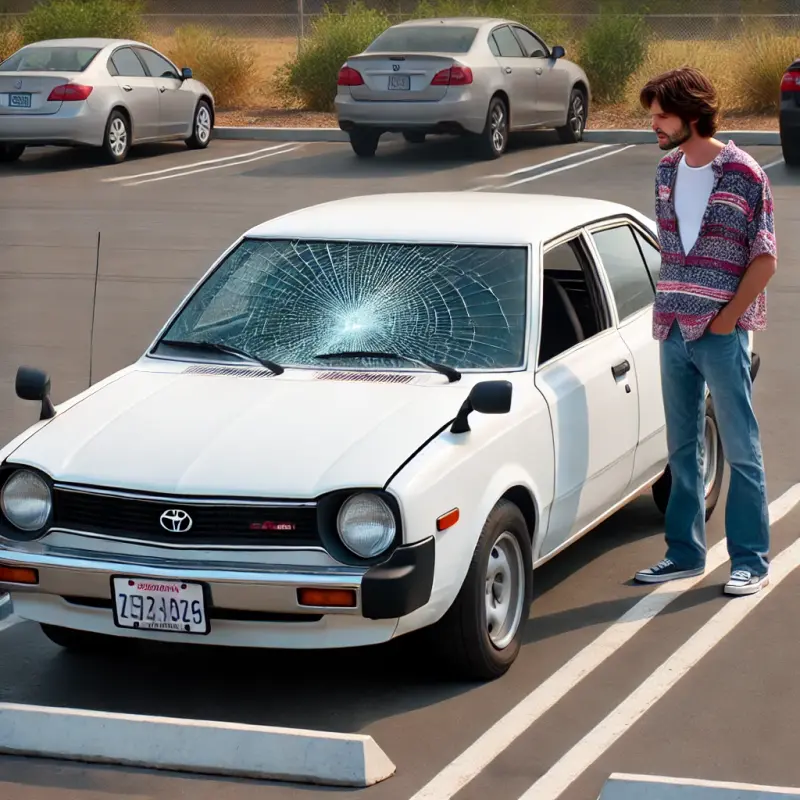
The small‑damage spectrum: what exact chips look like when they’re savable
You can learn to read damage at a glance. A star break resembles a burst with small fissures. A bulls‑eye appears as a circular cone. A combination break mixes a bruised center with short cracks.
How far is too far? Think in ranges. A clean bulls‑eye under 1/2 inch is a strong repair candidate. A star with three legs under 1 to 2 inches each is workable if it’s not near the edge. A crack that started yesterday and grew to 4 or 5 inches overnight is borderline. In cooler weather with no edge proximity, some technicians can stabilize it with a bridge tool and specialized resin. In summer heat with daily temperature swings, replacement is wiser. If a crack touches two edges, the windshield has lost too much integrity for a trustworthy repair.
The art in preparation and cure
Anyone can squeeze resin into a chip. Doing it at a high level requires a few non‑negotiables. The area must be dry. Moisture or windshield washer fluid in the wound blocks adhesion. Skilled techs warm the area gently to chase out humidity. They flex the glass with a tab to open micro‑fissures so resin can wick into the farthest legs. UV curing is timed not just for hardness, but for optical clarity, then excess resin is shaved flush with a razor and polished so wipers don’t click over it.
A good repair is permanent. If a previous repair failed and the crack grew, that points to contamination, incomplete fill, or movement from edge stress. It doesn’t mean repairs aren’t reliable. It means the first one wasn’t done to standard.
When speed matters, and when to slow down
Same day auto glass in Columbia keeps you moving, especially when a side window fails and you can’t leave the car exposed overnight. For windshields with ADAS, build a margin. Allow time for safe‑drive‑away after urethane cures. High‑modulus urethanes often require a minimum cure time based on temperature and humidity. A premium shop will place a sticker on the glass with the exact drive‑away time, not a guess.
If a storm’s coming, ask to reschedule mobile work to a controlled bay or a dry morning. Rushing a replacement in a wet environment risks bonding issues that show up months later as faint wind noise or water ingress.
Columbia specifics: roads, seasons, and practical choices
Here, interstate expansion and suburban construction mean gravel trucks are a constant. Many chips happen on clear days at highway speeds, especially when you follow too closely. Leave more space. That’s not a lecture, it’s a tactic to avoid the next repair bill.
Night driving on rain‑dark pavement reveals optical distortions you don’t notice at noon. After any repair or replacement, take an evening test drive under streetlights on Gervais or Devine to confirm clarity. Subtle waviness across your line of sight merits a return visit. Professional shops appreciate that feedback and will make it right.
During pollen season, rinsing the windshield before wiper use saves the edges of your blades and reduces micro‑scratches that scatter glare. Those scratches aren’t repairable. They accumulate until the glass feels hazy. If you’re considering replacement for haze rather than obvious cracks, ask the shop to inspect. Sometimes a thorough polish buys you another year before you commit to new glass.
How to choose a shop that treats your car like a showroom piece
You can tell a lot from the first call. Do they ask about ADAS features? Do they request a VIN to match glass options? Do they offer both repair and replacement, or do they funnel every caller to replacement quotes?
A few names in town handle luxury and performance models daily and manage windshield calibration in Columbia in‑house. They document torque specs for mirror mounts, replace A‑pillar clips instead of reusing fatigued ones, and clean as they go so you don’t find a constellation of glass dust on the console. Mobile setups should protect leather and Alcantara with covers before a single clip is removed.
If you’re unsure, visit for five minutes. A tidy counter, organized tools, and technicians who move with quiet confidence tell you what you need to know. Energy matters. Precision lives in the small things.
A concise decision guide for damage you can see
- A chip smaller than a quarter with short legs and no edge involvement: repairable, typically in 30 to 45 minutes. A crack between 3 and 6 inches, not near the edge and away from the driver’s core sightline: sometimes repairable, ask an experienced tech to evaluate. A long crack beyond 6 inches, any edge crack, or damage in the driver’s critical view: replacement. Any crack or hole in side or rear tempered glass: replacement. ADAS camera behind the windshield and you’re replacing glass: insist on documented calibration.
What great service feels like the day of
You arrive or a van arrives. The tech confirms the damage and your choices, documents the condition of the dash and A‑pillars, and shows you the exact glass label to confirm spec. For repairs, they mask the area, set the bridge, and walk you through what the mark will look like afterward. For replacements, they protect the hood and interior, cut the old urethane cleanly, set the new glass with precision guides, and torque hardware to spec. They verify the VIN is cleared of diagnostic codes and complete windshield calibration if needed, then road‑test for rattles and wind noise.
When you drive away, the wipers run smooth, the rain sensor triggers as before, the HUD is crisp, and lane keeping behaves. That’s the bar.
Final thoughts before you book
The easiest mistake is waiting. A $95 repair today prevents a $600 to $1,500 replacement next month, particularly on vehicles with acoustic or HUD windshields. If you can, call for auto glass repair in Columbia within a day of the impact. The resin bonds best before dust, water, or car wash soaps contaminate the break. If you need a rear glass or side window, prioritize a shop that offers secure, same day service and handles cleanup inside the door so you don’t hear stray glass each time you close it.
A refined experience doesn’t shout. It solves the problem quietly, preserves the design intent of your car, and gives you confidence on the road. Whether it’s a quick windshield chip repair in Columbia, a precise windshield replacement with calibration, or a clean rear window install that saves your defroster, choose partners who value the same things you do: clarity, safety, and craftsmanship.